Some of the links in this article are "affiliate links", a link with a special tracking code. This means if you click on an affiliate link and purchase the item, we will receive an affiliate commission.
The price of the item is the same whether it is an affiliate link or not. Regardless, we only recommend products or services we believe will add value to our readers.
By using the affiliate links, you are helping support our Website, and we genuinely appreciate your support.
The Problem: Struggling with Balanced Meals
We’ve all been there—standing in front of the fridge or pantry, wondering how to put together a meal that’s not just filling but also nutritious. The challenge often lies in juggling different food groups, portion sizes, and dietary needs.
Why This Matters: Health Implications
Eating unbalanced meals can lead to energy slumps, weight gain, and even long-term health issues. It’s not just about the calories; it’s about the nutrients your body needs to function optimally. When meals lack balance, you might find yourself reaching for snacks more often, which can derail your health goals.
Solutions: Building Balanced Meals
Creating a balanced meal doesn’t have to be complicated. Start by including a variety of food groups: proteins, carbohydrates, fats, and vegetables. This ensures you’re covering your nutritional bases. Think of your plate as a pie chart where half should be vegetables, a quarter protein, and a quarter carbs.
Implementation Steps: Practical Tips
1. **Plan Ahead:** Spend a few minutes planning your meals for the week. This helps in making sure you have all the necessary ingredients.
2. **Portion Control:** Use smaller plates to help manage portion sizes. It’s a simple trick that can prevent overeating.
3. **Mix and Match:** Experiment with different combinations of foods to keep meals interesting. Try adding spices or herbs for flavor without extra calories.
Address Root Causes: Understanding Food Choices
Often, unbalanced meals stem from a lack of understanding about food choices. Learning about the nutritional value of different foods can empower you to make better decisions. Resources like nutrition labels and online guides can be helpful.
Conclusion: Your Path to Better Eating
Balanced meals are all about making informed choices and being mindful of what goes on your plate. With a bit of planning and creativity, you can enjoy meals that satisfy both your taste buds and nutritional needs.
Related Posts
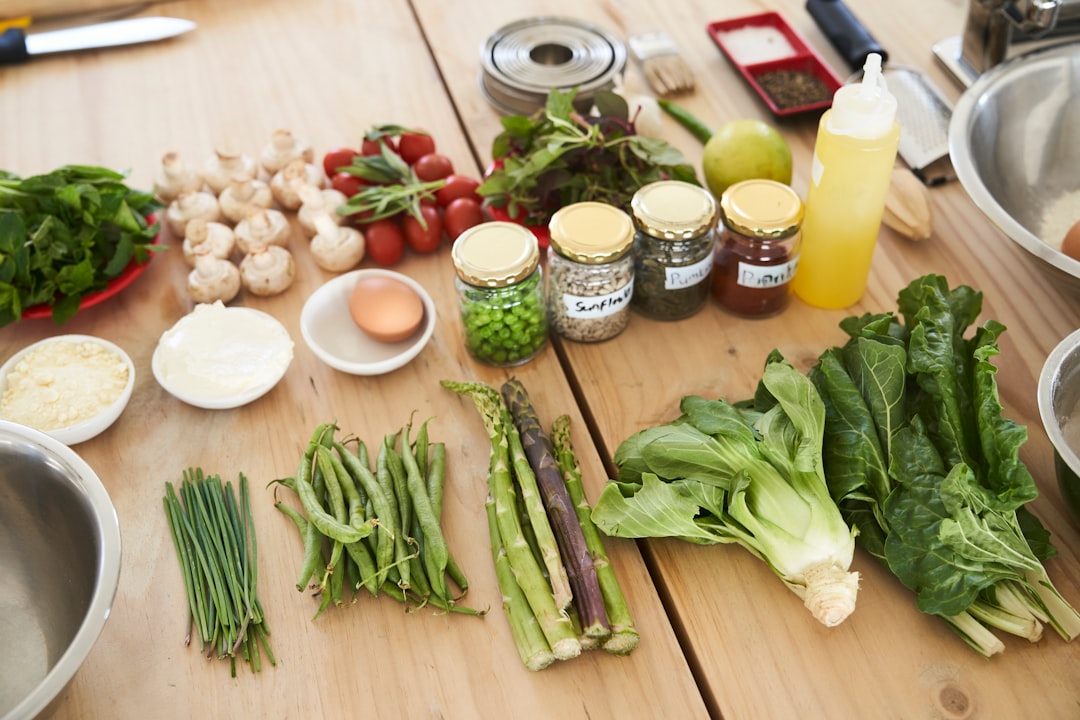
Simple Solutions for Healthy Cooking at Home
The Problem: Unhealthy Eating Habits at Home Let’s face it,…
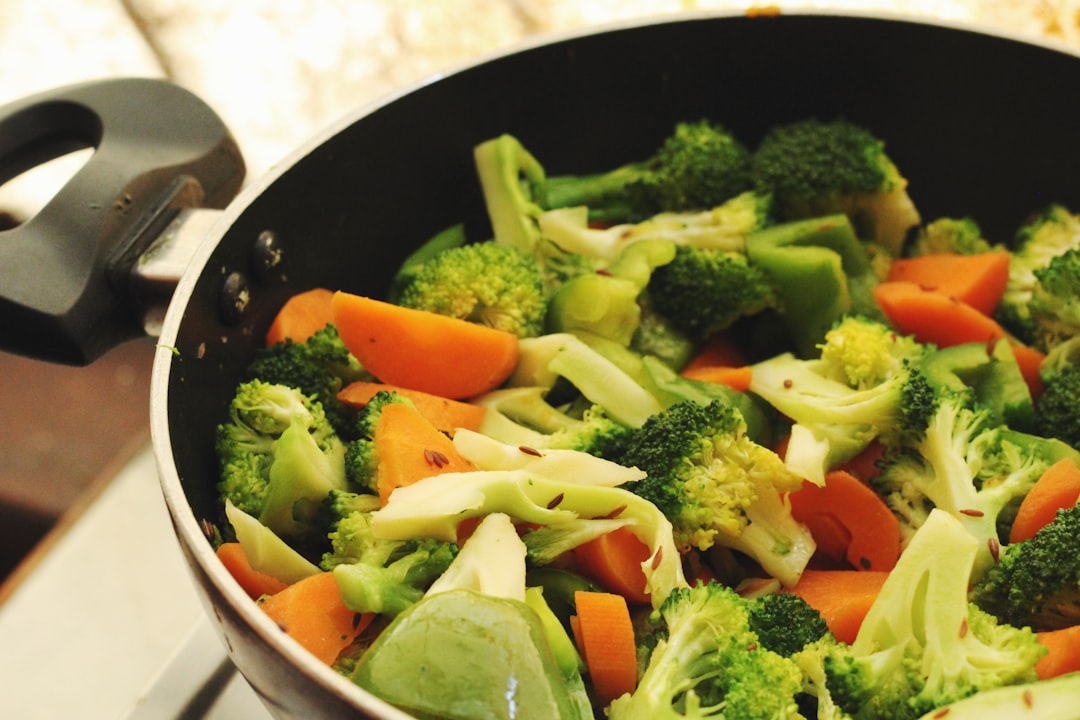
Easy Solutions for Everyday Healthy Recipes
The Problem: Unhealthy Eating Habits We’ve all been there—busy schedules,…
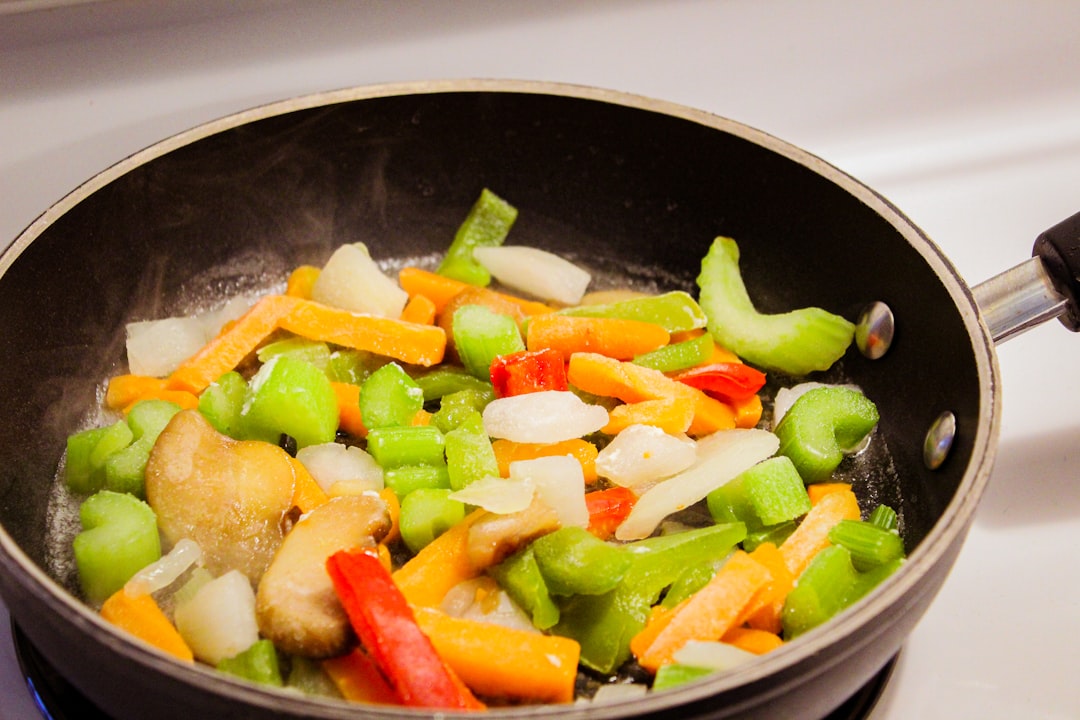
Realistic Healthy Recipes for Everyday Living
The Problem: Balancing Health and Reality We all know the…